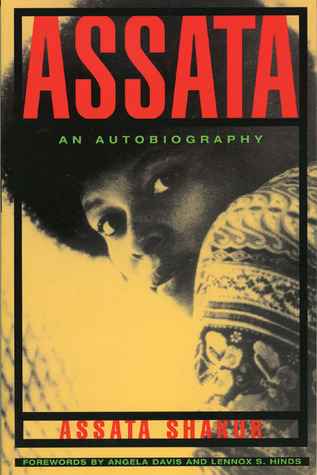
Cover of Assata: An Autobiography
Read Time: ~6.4 hr

Assata: An Autobiography

by Assata Shakur (1987)

About this book

On May 2, 1973, Black Panther Assata Shakur (previously known as JoAnne Chesimard) lay in a hospital, close to death, handcuffed to her bed, while local, state, and federal police attempted to question her about the shootout on the New Jersey Turnpike that had claimed the life of a white state trooper. Long a target of J. Edgar Hoover's campaign to defame, infiltrate, and criminalize Black nationalist organizations and their leaders, Shakur was incarcerated for four years prior to her conviction on flimsy evidence in 1977 as an accomplice to murder. This intensely personal and political autobiography belies the fearsome image of JoAnne Chesimard long projected by the media and the state. With wit and candor, Assata Shakur recounts the experiences that led her to a life of activism and portrays the strengths, weaknesses, and eventual demise of Black and White revolutionary groups at the hand of government officials. The result is a signal contribution to the literature about growing up Black in America that has already taken its place alongside The Autobiography of Malcolm X and the works of Maya Angelou. Two years after her conviction, Assata Shakur escaped from prison. She was given political asylum by Cuba, where she now resides.

Setting / LocationUnited States / Global
Story EraLate 20th Century
Protagonist / CoreNotable Figure / Community

Readers who enjoyed this also loved

Cover of Bone Black

Bone Black

bell hooks

Stitching together girlhood memories with the finest threads of innocence, feminist intellectual bell hooks presents a powerfully intimate account of growing up in the South. A memoir of ideas and perceptions, *Bone Black* shows the unfolding of female creativity and one strong-spirited child's journey toward becoming a writer. She learns early on the roles women and men play in society, as well as the emotional vulnerability of children. She sheds new light on a society that beholds the joys of marriage for men and condemns anything more than silence for women. In this world, too, black is a woman's color―worn when earned―daughters and daddies are strangers under the same roof, and crying children are often given something to cry about. hooks finds good company in solitude, good company in books. She also discovers, in the motionless body of misunderstanding, that writing is her most vital breath.

Assata: An Autobiography by Assata Shakur | Synopsis, Reviews & Preview | Literally Just Books